
Introduction
Natural lung health tips are more than just advice for when you’re sick—they’re a daily practice for vitality. I’ll never forget the first time I truly felt my breath. It was after a week-long camping trip, miles from city smog.
I woke up one morning, took a deep inhale, and it was like my chest had expanded, effortlessly drawing in the crisp, pine-scented air. That feeling of easy, full breathing was a revelation.
It made me wonder: how much of our daily fatigue and brain fog is simply from not breathing well? We chase complex health solutions, but what if one of the most powerful keys to energy and wellness has been right under our noses this whole time?
Pursuing better respiratory wellness doesn’t require a prescription; it’s about returning to foundational, natural lung health tips that empower your body’s own healing intelligence.
1. Master Your Breath: The Foundation of All Natural Lung Health Tips
We breathe over 20,000 times a day, yet most of us do it poorly. For years, I was a chronic chest breather—short, shallow sips of air that kept me in a subtle state of stress. It wasn’t until a yoga teacher gently placed a hand on my diaphragm and said, “Let the breath drop down here,” that I realized I was only using the top third of my lungs. This is where the most fundamental of all natural lung health tips begins: diaphragmatic breathing.
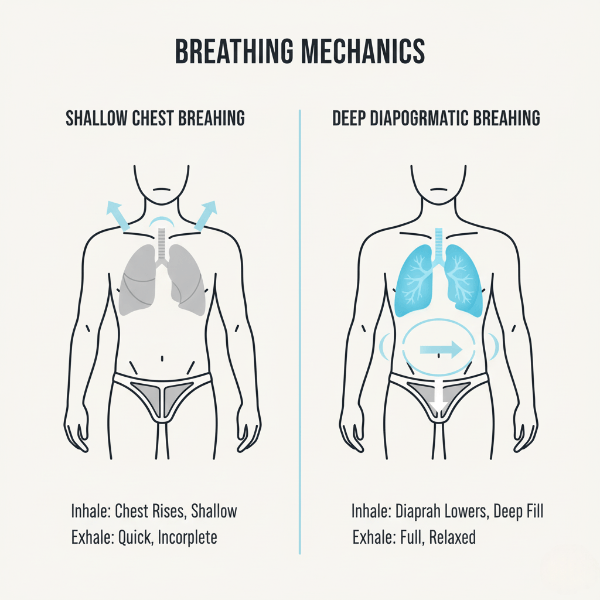
This isn’t just for yogis; it’s how babies breathe, and how our lungs are designed to function. By engaging the diaphragm, you create a vacuum that pulls air deep into the lower lobes of the lungs, where blood perfusion is richest. This single practice can increase oxygen exchange, calm the nervous system, and become the cornerstone of your respiratory wellness journey.
How to Practice Diaphragmatic Breathing Today:
- Find Your Diaphragm: Lie on your back or sit comfortably. Place one hand on your upper chest and the other on your belly.
- Inhale Deeply: Breathe in slowly through your nose, aiming to make the hand on your belly rise. The hand on your chest should stay relatively still.
- Exhale Fully: Gently exhale through pursed lips, feeling your belly fall. Aim for your exhale to be longer than your inhale.
- Practice: Start with 5 minutes daily. It’s a muscle that needs training, and these simple steps are powerful natural lung health tips you can do anywhere.
2. Let Food Be Your Medicine: Nutritional Power for Your Lungs
What you put on your plate directly fuels—or fights—inflammation in your respiratory tract. I noticed my seasonal allergies became far less severe when I committed to an anti-inflammatory diet. The shift was profound. Your lungs are delicate tissues that can be protected by specific nutrients.

Think of foods rich in antioxidants as your internal air filter, neutralizing damaging free radicals from pollution and toxins. For anyone seeking natural lung health tips, nutrition is non-negotiable. It’s about adding in the good to crowd out the bad.
Top Lung-Supportive Foods & Why:
- Cruciferous Vegetables (Broccoli, Kale): Contain sulforaphane, a compound that may help protect against respiratory damage.
- Berries and Citrus Fruits: Packed with vitamin C and flavonoids, which are crucial for immune defense and lung tissue integrity.
- Omega-3 Rich Foods (Walnuts, Chia Seeds, Fatty Fish): Their potent anti-inflammatory properties can help soothe irritated airways.
- Turmeric and Ginger: Their active compounds (curcumin, gingerol) are renowned for reducing inflammatory pathways in the body.
Watch this helpful video on lung-cleansing foods and breathing exercises:
3. Move Your Body to Mobilize Your Lungs
Lorem ipsum dolor sit amet, consectetur adipiscing elit. Ut elit tellus, luctus nec ullamcorper mattis, pulvinar dapibus leo.Exercise is like a tune-up for your respiratory system. I used to hate cardio, associating it with gasping for air. But when I reframed it as “lung training,” everything changed. The goal isn’t punishment; it’s to gently stress the system so it grows stronger.

When you exercise, your breathing rate increases, strengthening the diaphragm and intercostal muscles. Over time, this improves your lung capacity and efficiency—meaning you do more with each breath. This is a key element of practical natural lung health tips, moving from theory to embodied practice.
Best Types of Exercise for Lung Health:
- Aerobic/Cardio (Walking, Cycling, Swimming): Increases heart and breathing rates consistently, building endurance.
- High-Intensity Interval Training (HIIT): Short bursts of intense activity can improve the efficiency of your respiratory muscles. Always check with a doctor before starting a new intense regimen.
- Strength Training: Building core and upper body strength supports better posture, which is essential for allowing full lung expansion.
4. Purify Your Air: Your Most Immediate Environment
We can’t always control the outdoor air, but we have sovereignty over our indoor air—where we spend 90% of our time. I invested in a good air purifier for my bedroom after noticing I’d wake up congested. The difference was night and day. For actionable natural lung health tips, start with your immediate surroundings. Dust, pet dander, mold spores, and volatile organic compounds (VOCs) from cleaners can continuously irritate your airways.
Simple Steps to Clean Your Indoor Air:
- Ventilate: Open windows for 10-15 minutes daily, even in winter, to cycle out stale air.
- Go Natural with Cleaning: Swap chemical-laden sprays for vinegar, baking soda, and essential oils like tea tree or lemon. According to the Environmental Working Group (EWG), many common household cleaners contain ingredients linked to respiratory irritation.

- Incorporate Air-Purifying Plants: While not a substitute for a purifier, plants like snake plants, peace lilies, and spider plants can help remove certain toxins.
- Control Humidity: Keep indoor humidity between 30-50% to deter mold and dust mites. A dehumidifier or humidifier can help maintain this balance.
5. Harness Hydration and Steam Therapy
Your respiratory tract is lined with a thin layer of mucus—a vital, sticky defender that traps pathogens and particles. When dehydrated, this mucus becomes thick and sticky, impairing the cilia (tiny hair-like structures) from sweeping debris out. I make a point to drink a large glass of water first thing in the morning, and the effect on my morning throat clear is noticeable. Staying well-hydrated is one of the simplest yet most overlooked natural lung health tips.
Boost with Steam Therapy:
Adding warm moisture to the air you breathe can be incredibly soothing. It helps loosen thick mucus in your airways, making it easier to expel. A personal steam inhaler or a simple bowl of hot water with a towel over your head can provide relief. For an extra boost, add a drop or two of eucalyptus or peppermint essential oil, known for their decongestant properties.
6. The Power of Posture and Mindful Awareness
Slouching compresses your lungs. It’s that simple. At my desk job, I set an hourly posture check reminder. Rolling my shoulders back and sitting tall instantly created more space in my chest for a deeper breath. Good posture aligns your diaphragm for optimal movement.
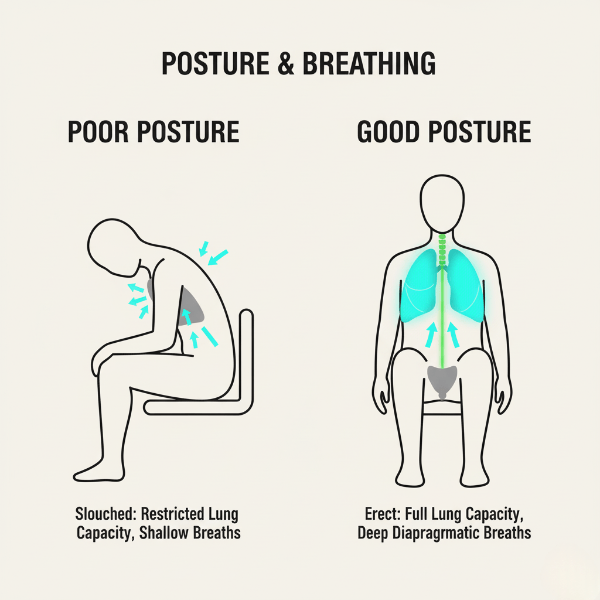
Pair this with mindful awareness—simply noticing your breath throughout the day without judgment. This combination turns everyday moments into opportunities for natural lung health tips practice.
Quick Posture & Breath Check-Ins:
- At every red light while driving.
- While waiting for your computer to load.
- During TV commercial breaks.
- Simply ask yourself: “Am I slouching? Can I take one full, deep breath right now?”
7. Prioritize Rest and Sleep for Lung Recovery
Sleep is when your body repairs itself, and your lungs are no exception. During deep sleep, inflammation is regulated, and tissues undergo renewal. I used to burn the candle at both ends, thinking productivity was key. Now, I guard my sleep like an appointment, because poor sleep is linked to worsened respiratory function and increased susceptibility to infections. Ensuring 7-9 hours of quality sleep is a passive yet profoundly powerful strategy in your arsenal of natural lung health tips.
For better sleep hygiene, check our detailed guide on creating a restful bedtime routine. Creating a dark, cool, and quiet sleep environment is crucial. Pay special attention to your pillow and bedding if you have allergies, and consider using hypoallergenic covers.
Your Action Plan: A Simple List to Start Today
You don’t need to do everything at once. Choose one or two of these natural lung health tips to begin with. Consistency beats intensity every time.
- Practice 5 minutes of diaphragmatic breathing each morning.
- Add one lung-supportive food (like broccoli or berries) to your next meal.
- Take a 20-minute brisk walk and focus on your breath.
- Open your windows for 15 minutes to refresh your home’s air.

- Drink an extra glass of water and notice how it feels.
Conclusion
Embracing these natural lung health tips is an act of kindness toward the very system that sustains your life with every single breath. It’s not about perfection, but about gentle, consistent care. I honestly wish I had learned earlier that the power to breathe more freely was always within my grasp, woven into daily choices about food, movement, and mindfulness. This journey back to foundational health has been one of the most rewarding of my life.
What’s the first tip you’re excited to try? Share your experience in the comments below—I’d love to hear what works for you. Here’s to taking that next deep, easy, and truly nourishing breath.
FAQs: Natural Lung Health Tips
Q1: How quickly can I expect to see improvements in my breathing using natural lung health tips?
A: Consistency is key. While some techniques, like diaphragmatic breathing or steam inhalation, can provide immediate feelings of relief and clearer airways, most substantive improvements come with regular practice over weeks to months. Strengthening lung capacity and reducing chronic inflammation is a gradual process. Many people report feeling a noticeable difference in their energy levels and breathlessness during daily activities within 3-4 weeks of dedicated practice.
Q2: Can these natural tips help if I’m a former smoker or have a history of respiratory issues?
A: Absolutely. The human body has a remarkable capacity for healing. While natural lung health tips cannot reverse all damage, they can significantly support the body’s repair mechanisms. Practices like antioxidant-rich nutrition, deep breathing exercises, and cardio can help improve lung function, clear residual toxins, and enhance overall respiratory resilience. It is crucial, however, to consult with your healthcare provider before starting any new regimen to ensure it’s appropriate for your specific health history.
Q3: What is the single most effective natural tip for lung health?
A: If we had to choose one foundational practice, it would be learning and practicing diaphragmatic (belly) breathing. This is because it directly counters the chronic, shallow breathing pattern common in stressful modern life, maximizes oxygen exchange, strengthens the primary breathing muscle (the diaphragm), and actively engages the parasympathetic nervous system to reduce inflammation. It’s a free, always-available tool that supports every other tip on the list.
Q4: Are there any specific foods or supplements I should avoid for lung health?
A: Yes. Just as important as adding supportive foods is minimizing inflammatory ones. Key items to reduce or avoid include:
- Processed Foods & Sugars: These can promote systemic inflammation.
- Excessive Dairy: For some people, dairy can thicken mucus production, making the lungs feel more congested.
- Processed Meats (like deli meats): Often contain nitrates, which have been linked in some studies to worsened lung function.
- Excessive Alcohol and Caffeine: Both can be dehydrating, thickening mucus, and may interact with certain medications.
Q5: How do I know if I’m doing diaphragmatic breathing correctly?
A: The best way to check is the “hand test.” Lie on your back with one hand on your chest and the other on your belly. As you inhale slowly through your nose, the hand on your belly should rise significantly. The hand on your chest should move very little. If your chest is rising more than your belly, you’re still breathing shallowly. Practice focusing on filling your lower lungs first, as if inflating a balloon in your abdomen.
Q6: Can improving indoor air quality really make that much of a difference?
A: For many people, yes—especially those with allergies, asthma, or general sensitivity. We spend most of our time indoors, where concentrations of pollutants can be 2 to 5 times higher than outdoors. Reducing dust, mold, VOCs, and pet dander removes a constant source of irritation and immune activation for your respiratory system, allowing it to rest, repair, and function more optimally. Think of it as giving your lungs a clean, safe home base.
Q7: Is it safe to do breathing exercises if I have asthma or COPD?
A: Certain breathing techniques, like pursed-lip breathing and diaphragmatic breathing, are often recommended as part of pulmonary rehabilitation for COPD and asthma management. They can help control shortness of breath and improve efficiency. However, it is essential to learn these techniques under the guidance of your doctor or a qualified respiratory therapist to ensure you are doing them safely and effectively within the limits of your condition. Never force a breath or continue an exercise that causes distress.