
Introduction
Improve your health in 2026. Does that phrase spark motivation, or does it bring a sigh, reminding you of past resolutions that fizzled out? I’ve been there. Just last year, my grand plan to “get healthy” involved a pricey gym membership I used three times and a fridge full of kale that sadly wilted into a science experiment.
It felt overwhelming, all-or-nothing. But what if the real secret to dramatically improve your health in 2026 isn’t a dramatic overhaul, but a handful of tiny, science-supported tweaks to your existing routine? This isn’t about perfection; it’s about progress. Let’s explore five surprisingly simple, research-backed avenues that can set you on a path to a vibrant, healthier you this coming year.
1. Master Your Micro-Movements (It’s Not About the Gym)
I used to think if I didn’t sweat for an hour, it didn’t count. My friend Sam, a software engineer who works remotely, felt the same. He’d sit for 8-10 hours straight, “saving his energy” for a workout that often never happened, leaving him with a stiff back and low energy. His story changed when he shifted focus from exercise to movement. The goal to improve your health in 2026 can start with literally just standing up.
Recent studies have coined terms like “Non-Exercise Activity Thermogenesis” (NEAT)—the energy you burn doing everything except sleeping, eating, and sports. This includes pacing while on the phone, gardening, or even fidgeting. Boosting your NEAT is a powerhouse strategy for metabolic health and longevity.
How to Seamlessly Weave Movement Into Your Day:
- The ‘Every 30’ Rule: Set a gentle alarm to remind yourself to stand up every half hour. When it chimes, stand for 2-3 minutes. Stretch, walk to get a glass of water, do a quick lap around your home office. This single habit breaks the detrimental cycle of prolonged sitting.
- Walking Meetings Are Your Secret Weapon: For any call where you don’t need to be on screen, pop in headphones and walk. You’ll be amazed at how a 20-minute walking conference call can clear your mind and boost your step count without extra time commitment.

- Embrace Inefficiency: Park farther away. Use a bathroom on a different floor. Hand-deliver a message instead of emailing. These tiny, accumulated choices are a stealthy way to improve your health in 2026 by significantly increasing your daily movement footprint.
2. Rethinking Your "First Fuel": Morning Nutrition and Hydration
My morning routine was a cup of coffee on an empty stomach, followed by a rushed breakfast or none at all. By 11 AM, I’d be jittery yet drained, reaching for a sugary snack. I wasn’t fueling my body; I was shocking it. The science of circadian rhythm shows when and how you start your day metabolically sets the tone for everything.
To genuinely improve your health in 2026, consider your body’s morning needs: rehydration after a night’s fast and stable energy provision. A study published in The American Journal of Clinical Nutrition highlights how starting the day with protein and fiber can regulate appetite and blood sugar throughout the day.
A Simple Two-Step Morning Protocol:
- Hydrate Before You Caffeinate: Drink a large glass of water (12-16 oz) before your first sip of coffee. If you like, you can add lemon or a pinch of salt. This replenishes fluids lost overnight, aids digestion, and can reduce the potential dehydrating effects of caffeine, helping you improve your health in 2026 from the moment you wake.
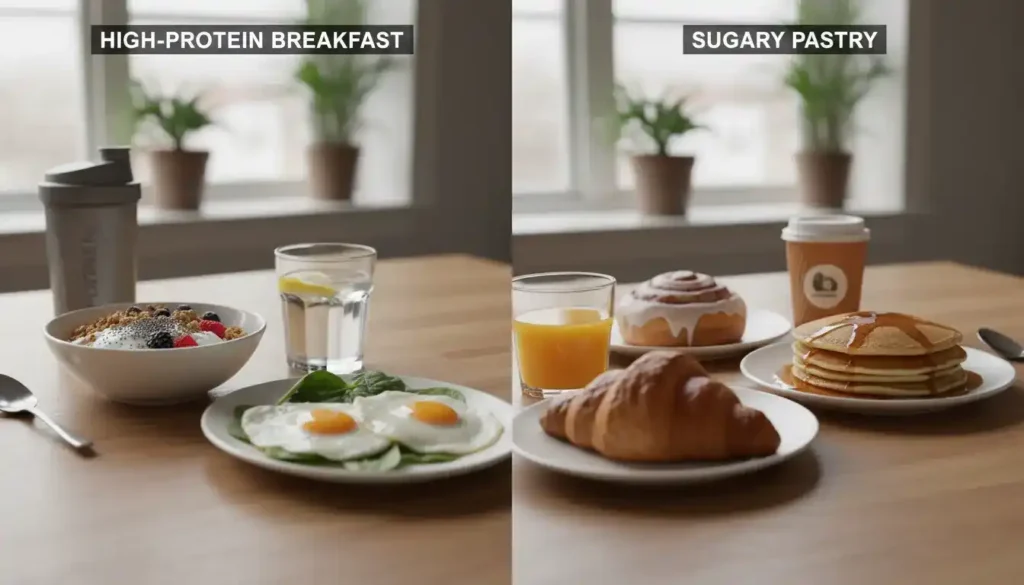
2. Prioritize Protein at Breakfast: Swap the sugary cereal or plain toast for options that include 20-30 grams of protein. Consider options like a bowl of Greek yogurt topped with berries, a quick scramble of eggs and spinach, or a filling protein smoothie. This provides sustained energy, reduces mid-morning cravings, and supports muscle health.
This visual guide beautifully breaks down the science of morning routines and NEAT, offering practical demonstrations that can make it easier for you to improve your health in 2026. Seeing these concepts in action can be the final nudge you need to implement them.
3. The Sleep Sanctuary: Quality Over Quantity
I used to wear my “only need 6 hours” badge like a medal of honor, until I realized my mood, focus, and cravings were completely tied to those poor sleep nights. The pursuit to improve your health in 2026 is fundamentally incomplete without addressing sleep. It’s not just about duration; it’s about quality and consistency. Sleep is when your brain cleanses metabolic waste, your body repairs tissues, and hormones regulating hunger and stress are balanced.
Modern wellness is built on the foundation of creating an environment that encourages sleep. Research from the National Sleep Foundation consistently links bedroom environment to sleep quality metrics.
Crafting Your 2026 Sleep Sanctuary:
- Cool, Dark, and Dead-Silent (or Close): Aim for a room temperature around 65°F (18°C). Consider an eye mask and use blackout curtains. For sound, use a white noise machine or a fan to mask disruptive noises. This controlled environment signals powerfully to your brain that it’s time for deep rest.
- The 60-Minute Digital Sunset: This was my hardest but most impactful change. An hour before bed, all screens (phone, TV, laptop) go off. Melatonin, the hormone that helps you sleep, is reduced by the blue light they give off. Instead, I read a physical book, listen to a podcast, or practice light stretching. This ritual alone can dramatically improve your health in 2026 by enhancing your sleep architecture.

- King of consistency is: Even on weekends, try to wake up and go to bed around the same time. This regulates your internal circadian clock, making it easier to fall asleep and wake up naturally, feeling refreshed.
4. Strategic Stress Shields: Beyond “Just Relax”
Telling someone to “just relax” or “reduce stress” is like telling a sinking ship to “just float.” It’s unhelpful. Modern stress is chronic and insidious. My breaking point was feeling constantly wired yet tired, my mind racing at 3 AM. Science shows chronic stress elevates cortisol, which can lead to weight gain, poor sleep, and a weakened immune response. To improve your health in 2026, we need active, daily practices to buffer stress, not just passive avoidance.
These are not time-consuming meditations (though those are great), but integrated micro-practices.
Build Your Daily Stress-Buffer Toolkit:
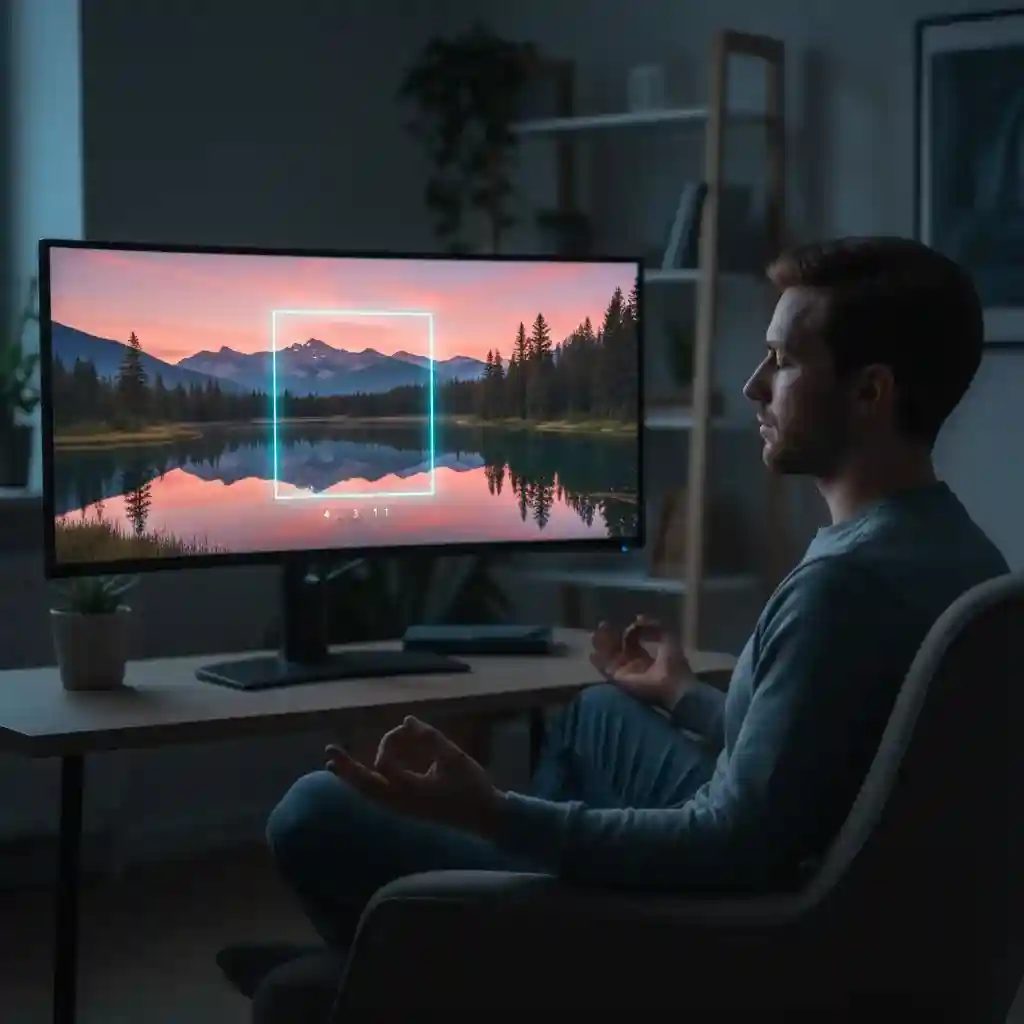
- The 5-Minute Breath-Brain Reset: When overwhelmed, practice “box breathing”: inhale for 4 seconds, hold for 4, exhale for 4, hold for 4. Repeat for 5 minutes. This directly activates your parasympathetic nervous system (the “rest and digest” system), lowering cortisol. Doing this before a big meeting or after a tough email can reset your entire nervous system.
- Nature’s “Green Pill”: Commit to 20 minutes of time in a park, garden, or any green space, three times a week. A body of research, including studies cited by institutions like Harvard Medical School, shows that “forest bathing” or simply being in nature reduces stress hormones, lowers blood pressure, and improves mood. It’s a direct, accessible method to improve your health in 2026.
- Scheduled Worry Time: This sounds counterintuitive, but it’s powerful. If anxious thoughts spiral, write them down and assign them a 15-minute “worry appointment” later in the day. Often, when the appointed time comes, the urgency has passed. This contains anxiety, preventing it from leaching into your entire day.
5. Connected Nutrition: Mindful & Social Eating
For years, I ate lunch at my desk, scrolling through news, barely tasting my food. I was nourished physically but not mentally or socially. The act of eating in a distracted, isolated state can lead to overconsumption and reduced meal satisfaction. A powerful, often overlooked way to improve your health in 2026 is to reconnect eating with awareness and community.
The science of mindful eating shows it can improve digestion, help with portion control, and increase meal enjoyment. Furthermore, social connection is a profound determinant of long-term health and longevity, as highlighted by decades of research like the famous Harvard Study of Adult Development.
Practical Steps to Eat More Connectedly:
- The First Bite Ritual: Before you eat, pause for 10 seconds. Look at your food, appreciate its colors and smells. Take the first bite deliberately, without distraction. Chew slowly. This simple act anchors you in the experience and improves satiety signals.
- Create a “No-Screen Table” Policy: For at least one meal a day, make your eating area a phone- and TV-free zone. This forces a moment of pause and allows you to tune into your body’s hunger and fullness cues, a key skill to improve your health in 2026.

- The Weekly Shared Meal: Intentionally share one meal per week with family, friends, or even colleagues. Cook together, order in, or go out. The combination of laughter, conversation, and shared food nourishes on a level that transcends nutrients. It combats loneliness and builds the social bonds crucial for holistic well-being.
A Quick-Start List to Improve Your Health in 2026
To make this even easier, here’s a bullet-point cheat sheet you can start today. Remember, the goal is to improve your health in 2026 through consistent, small actions.
- Set a “stand up” alarm for every 30 minutes you’re seated.
- Drink a full glass of water before your morning coffee.
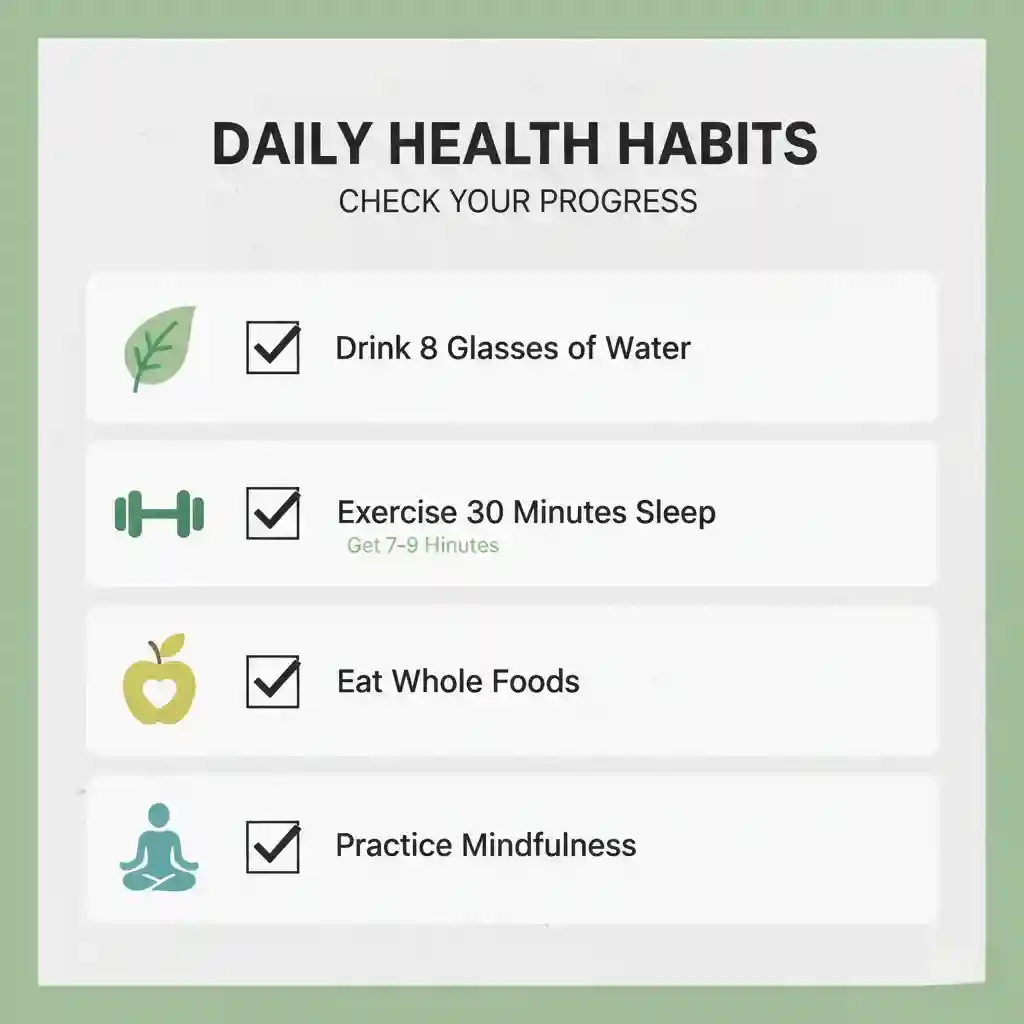
- Practice “box breathing” for 5 minutes during your afternoon slump.
- Begin a nightly ritual of powering down all screens at least one hour before you plan to sleep.
- Commit to one screen-free, mindful meal this week.
Conclusion
The journey to improve your health in 2026 doesn’t require a map to a distant, perfect destination. It’s about gently correcting your course, degree by degree, with tools that are sustainable and even enjoyable. I honestly wish I had understood earlier that monumental change is just a series of microscopic, daily decisions. By focusing on movement integration, mindful fueling, sleep quality, active stress buffering, and connected eating, you’re not just changing a habit—you’re upgrading the entire ecosystem of your well-being.
What’s the one small step from this list that feels most doable for you this week? Share your commitment in the comments below—we can all learn from and support each other. If you’re ready to explore more on building a resilient mindset for these changes, Want a step-by-step guide that really works? Check out our complete Healthy Diet Plan for Weight Loss—it’s packed with tips to help you build habits that stick for the long haul. Here’s to your health, happiness, and a truly vibrant 2026.
FAQs: Improve Your Health in 2026
Q1: Where is the absolute best place to start if I want to improve my health in 2026?
A: The most effective first step is often the simplest. Begin with hydration by drinking a large glass of water before your morning coffee. This single, effortless action can kickstart your metabolism and create a positive ripple effect for other healthy choices, setting a solid foundation to improve your health in 2026.
Q2: I have a very busy schedule. Can I really improve my health in 2026 without spending hours at the gym?
A: Absolutely! The science of NEAT (Non-Exercise Activity Thermogenesis) shows that consistent, all-day movement is incredibly powerful. Focus on breaking up long sitting periods with short walks or standing stretches. This micro-approach is a sustainable and effective way to improve your health in 2026 for those with packed calendars.
Q3: How do I know these methods are truly backed by science?
A: Each strategy is rooted in well-researched physiological principles, from circadian rhythm biology (for sleep and morning routines) to the proven stress-reduction benefits of nature exposure and controlled breathing. The plan to improve your health in 2026 presented here synthesizes these credible findings into actionable daily habits.
Q4: What’s the one tool I need to successfully improve my health in 2026?
A: More than any gadget, your most valuable tool is consistency. Lasting change comes from small, repeatable actions, not perfection. Using a simple alarm to remind you to move or committing to a nightly screen curfew are examples of consistent practices that will truly help you improve your health in 2026.