
How sugar affects your body is a story written in every cell, a silent conversation between what you eat and how you feel. I remember staring at the 3 PM slump on my computer screen, reaching for a candy bar for the umpteenth time, wondering why my energy was a rollercoaster I couldn’t get off. Does that sound familiar? That daily tug-of-war was my first real clue that how sugar affects your body is far more than just about calories—it’s about chemistry, hormones, and long-term health whispering for attention.
The Instant Hit: Your Brain on Sugar
Let’s start where the craving begins. You take your first scrumptious bite. Almost instantly, the reward center in your brain—the mesolimbic dopamine system—lights up like a pinball machine. Dopamine, the “feel-good” neurotransmitter, floods your system. This is a powerful, primal reward. Your brain notes, “That was good. Do it again.” It’s the same pathway activated by addictive substances, which is why turning down a second cookie can feel like a genuine mental battle.
But this high is a loan, not a gift. Soon after the spike, your body calls in the repayment.
The Crash Course in Energy
- The Spike: Simple sugars rush into your bloodstream, causing a rapid surge in blood glucose.
- The Alarm: Your pancreas panics at this sudden influx and releases a large amount of insulin, the hormone tasked with ushering sugar into your cells for energy.
The Crash: The insulin works too well, often moving too much sugar out of your blood too quickly. d
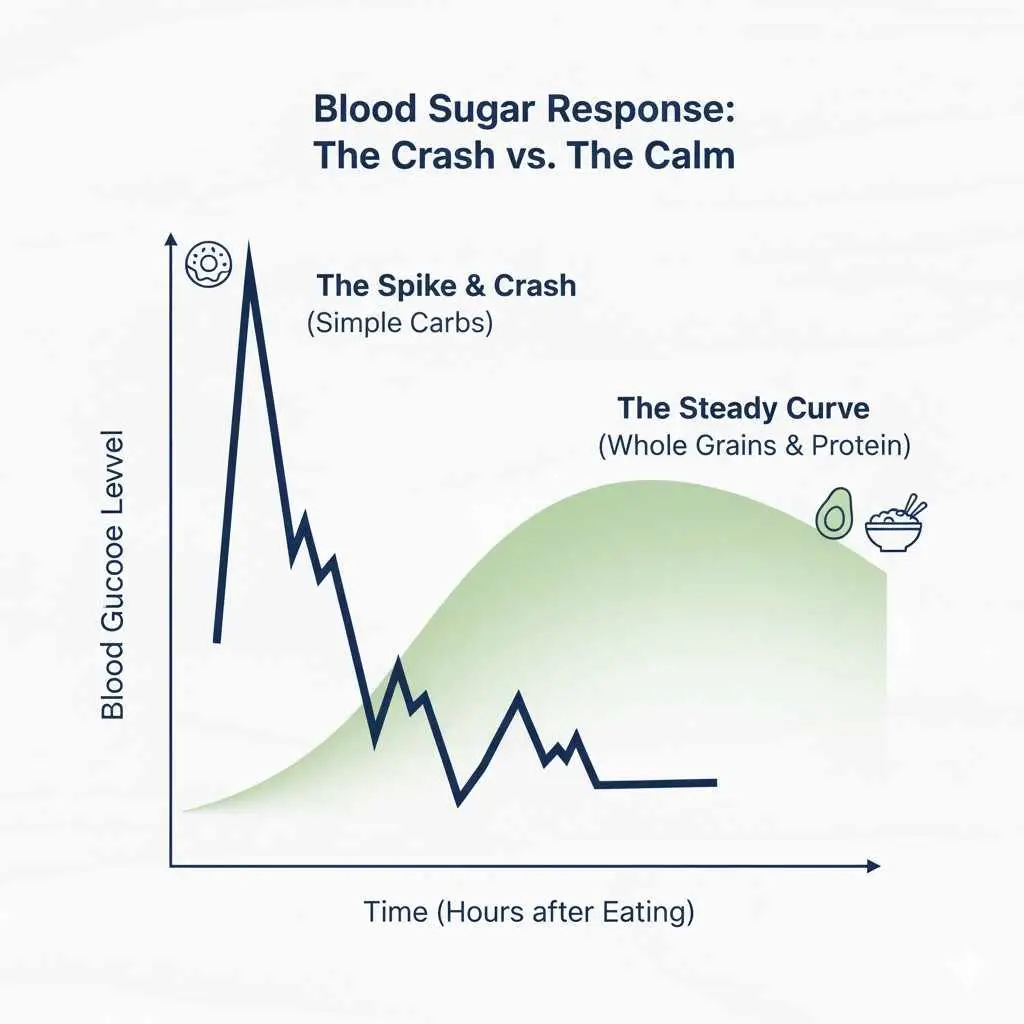
- The result? Hypoglycemia—low blood sugar. This is when the fatigue, brain fog, irritability, and shakiness hit. You’re now worse off than before you ate the sugar, and your brain starts clamoring for another hit to restart the cycle. This rollercoaster is a core part of how sugar affects your body day-to-day, dictating your mood and focus.
The Hormonal Hijack: Insulin’s Central Role
To truly grasp how sugar affects your body, you must meet insulin. Think of insulin as a sophisticated key. When blood sugar rises, insulin is produced to unlock your cells’ doors, allowing glucose to enter and be used for fuel. This is a beautiful, precise system—when it works.
When the System Breaks Down
Consistently high sugar intake forces your pancreas to pump out more and more insulin. Your cells start to get used to the constant knocking over time. They become “insulin resistant,” ignoring the signal. Your pancreas responds by producing even more insulin to force the issue. This creates a vicious cycle of high insulin and high blood sugar—the precursor to Metabolic Syndrome and Type 2 Diabetes. This insulin resistance is a stealthy, foundational way how sugar affects your body sets the stage for chronic disease. It’s not just about sugar; it’s about the hormonal tsunami it triggers.
From Liver to Love Handles: The Fat Storage Machine
So, what happens to all that sugar when your cells are “full” or resistant? Your liver takes charge. It has a limited storage capacity for glucose (as glycogen). Once that’s topped up, the liver converts the excess glucose into fat through a process called lipogenesis.
A Special Note on Fructose
This is where how sugar affects your body gets particularly sneaky with a common ingredient: fructose (found in table sugar and high-fructose corn syrup). Unlike glucose, which can be metabolized by every cell, fructose is almost exclusively processed by the liver. In excess, it’s directly converted into fat, much of which is stored as visceral fat—the dangerous fat that wraps around your abdominal organs.
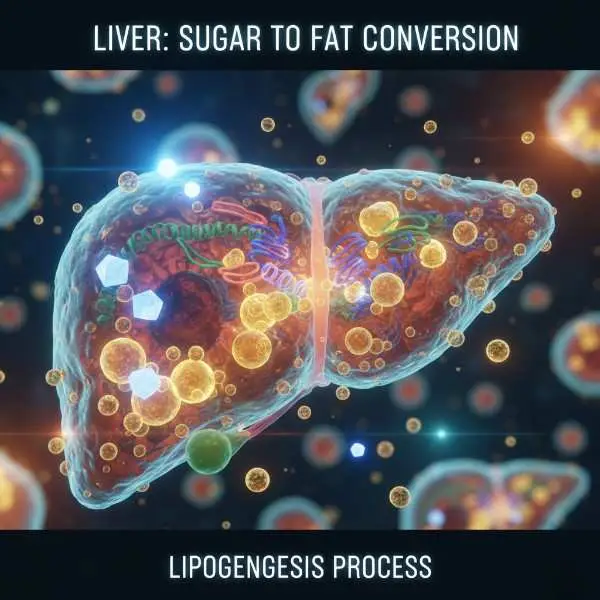
This isn’t just subcutaneous “love handle” fat; it’s metabolically active fat that pumps out inflammatory chemicals and further worsens insulin resistance.
YouTube Video: Best Guide on How Sugar Affects Your Body
This animation perfectly visualizes the complex journey of sugar through your bloodstream, liver, and cells, making the science behind how sugar affects your body easy to understand.
The Silent Fire: Chronic Inflammation
One of the most profound ways how sugar affects your body is by fanning the flames of inflammation. High blood sugar and the associated visceral fat promote the release of pro-inflammatory cytokines. This is a low-grade, systemic inflammation that has no obvious redness or swelling, but it simmers beneath the surface.
- It damages arterial walls, paving the way for heart disease.
- It creates an environment where cells can mutate and proliferate more easily.
- It’s linked to achy joints, brain fog, and fatigue.
Eating sugar, therefore, can be like pouring gasoline on any inflammatory condition you might have, from arthritis to skin issues like acne or eczema. Understanding how sugar affects your body means recognizing it as a pro-inflammatory food.
Your Heart Under Siege
For decades, dietary fat was villainized for heart disease. Now, science points a major finger at sugar. The chronic inflammation and high insulin levels we just discussed are a brutal one-two punch for cardiovascular health.
- Inflammation damages the delicate endothelium lining your arteries.
- High Insulin promotes hypertension (high blood pressure) and raises triglyceride levels while lowering protective HDL cholesterol.
- Fructose metabolism in the liver increases the production of small, dense LDL particles—the type most likely to oxidize, lodge in artery walls, and form plaques.

This trifecta explains a critical part of how sugar affects your body—by directly increasing your risk for heart attacks and strokes.
The Mind and Memory Connection
That brain fog after a sugar binge is more than a short-term glitch. Research reveals a terrifying long-term link between high-sugar diets and brain health. Insulin resistance doesn’t just happen in your muscle and liver cells; it can happen in your brain too. When brain cells become insulin resistant, they struggle to take in the glucose they need for energy, leading to impaired function.
Some researchers are even calling Alzheimer’s disease “Type 3 Diabetes” because of this strong connection between insulin resistance and neurodegeneration. The way how sugar affects your body cognitively is through both immediate energy crashes and the potential for long-term, accelerated brain aging.
Practical Steps: Rewriting Your Body’s Story
Knowing all this can feel overwhelming, but the power to change the narrative is incredibly accessible. Better patterns are what you need, not perfection. Here is a practical list to start altering how sugar affects your body positively:
- Become a Label Hunter: The first step in changing how sugar affects your body is knowing where it hides. Look beyond “sugar” for its aliases: sucrose, fructose, maltose, barley malt, cane juice, rice syrup, and anything ending in “-ose” or “syrup.”
- Prioritize Whole Foods: Build your meals around foods that naturally regulate how sugar affects your body: proteins, healthy fats, fiber-rich vegetables, and complex carbs like legumes and whole grains.
- Redefine “Sweet”: Let your taste buds adapt. Use spices like cinnamon and nutmeg, or add a dash of vanilla or citrus zest. Try infusing water with berries or cucumber.
- Master the Protein & Fat Breakfast: Starting your day with a savory, blood-sugar-stabilizing meal (like eggs with avocado) sets a stable hormonal tone, drastically influencing how sugar affects your body for the rest of the day.

- Sleep and Stress: Never underestimate these two. Poor sleep and high cortisol (the stress hormone) directly increase cravings and make insulin resistance worse. Managing them is a non-negotiable part of the puzzle.
A Real-Life Experiment
I honestly wish I had learned this earlier, but a few years ago, I committed to a 30-day experiment of cutting out all added sugars and refined flours. The first week was tough—headaches, irritability, the works. But by week two, something shifted. The 3 PM slump vanished. My skin, which I’d always struggled with, cleared up. My energy became steady and reliable, not buzzy and brittle. I stopped thinking about food every hour. This personal experience was the ultimate proof of how sugar affects your body—not as a theory in a textbook, but as the lived reality of my own energy, mood, and health. It wasn’t about willpower; it was about biochemistry finally working in my favor.
For a practical guide on starting this kind of reset, check detailed guide on creating a sustainable sugar detox plan that focuses on abundance, not restriction.
Conclusion: Your Body’s Constant Conversation
The journey of understanding how sugar affects your body is really about learning to listen to its language. The cravings, the energy dips, the slow weight gain, the brain fog—they’re all feedback. This isn’t about fostering fear around a cupcake at a birthday party. It’s about the daily, cumulative drip of hidden sugars in sauces, breads, drinks, and “healthy” snacks that truly defines how sugar affects your body over the long term.
What’s one small, sustainable change you can make this week to become more mindful of your sugar intake? Maybe it’s swapping your afternoon soda for sparkling water, or reading the labels on your three most common pantry items. Share your goal or a question in the comments below—I read every one.
Take this knowledge not as a burden, but as empowerment. You now have the map to a steadier energy supply, a sharper mind, and a healthier future. The choice of what happens next, in every meal and snack, is yours.
FAQs: How Sugar Affects Your Body
Q1: What is the first sign of how sugar affects your body?
A: One of the most immediate signs is the energy rollercoaster—a quick burst of energy followed by a sharp crash, often accompanied by brain fog, irritability, and renewed cravings. This cycle is a direct demonstration of how sugar affects your body‘s blood sugar and insulin response.
Q2: Can how sugar affects your body lead to long-term damage?
A: Absolutely. Chronically high sugar intake is a key driver of insulin resistance, systemic inflammation, and fatty liver disease—all of which significantly increase your risk for Type 2 diabetes, heart disease, and certain neurodegenerative conditions over time.
Q3: Is natural sugar part of how sugar affects your body negatively?
A: The context matters. Natural sugars in whole fruits and dairy come packaged with fiber, water, and nutrients that slow absorption and mitigate negative effects. The primary concern in how sugar affects your body is the large amount of added and refined sugars in processed foods and beverages.
Q4: What’s a simple first step to change how sugar affects my body?
A: The most impactful single step is to eliminate sugary drinks—sodas, juices, sweetened coffees. This alone can drastically reduce your daily sugar load and begin to stabilize your energy and insulin levels, positively altering how sugar affects your body.
Q5: Does how sugar affects your body include mental health?
A: Yes, significantly. The blood sugar crashes can worsen anxiety and mood swings, while the inflammatory response linked to high sugar diets is associated with a higher risk of depression. The gut-brain connection also means sugar’s impact on your microbiome can influence your mind.
Pingback: Foods That Boost Immunity Naturally | Your Kitchen First Defense in 2026