
Foods That Reduce Stress & Anxiety aren’t just a trendy concept; they’re a tangible, gentle way to support your nervous system every single day. Can you remember the last time you felt truly overwhelmed and reached for something to eat? I certainly can. For me, it was during a relentless work deadline last year—I found myself staring into the pantry, my heart racing, hand hovering over a bag of salty chips. It was in that moment I realized my choices were either a fleeting, greasy comfort or a deliberate step toward genuine calm. This journey into how our plates can influence our peace isn’t about restriction; it’s about empowerment.
The Science on Your Plate: How Food Talks to Your Brain
My friend Sam used to call his afternoon coffee and candy bar “the stress-buster combo.” But he’d always crash an hour later, feeling more jittery and irritable. He didn’t need willpower; he needed a little understanding of the biochemistry of calm. The connection between your gut and your brain, the gut-brain axis, is a constant two-way conversation. The foods that reduce stress & anxiety work by sending specific, supportive messages along this pathway.
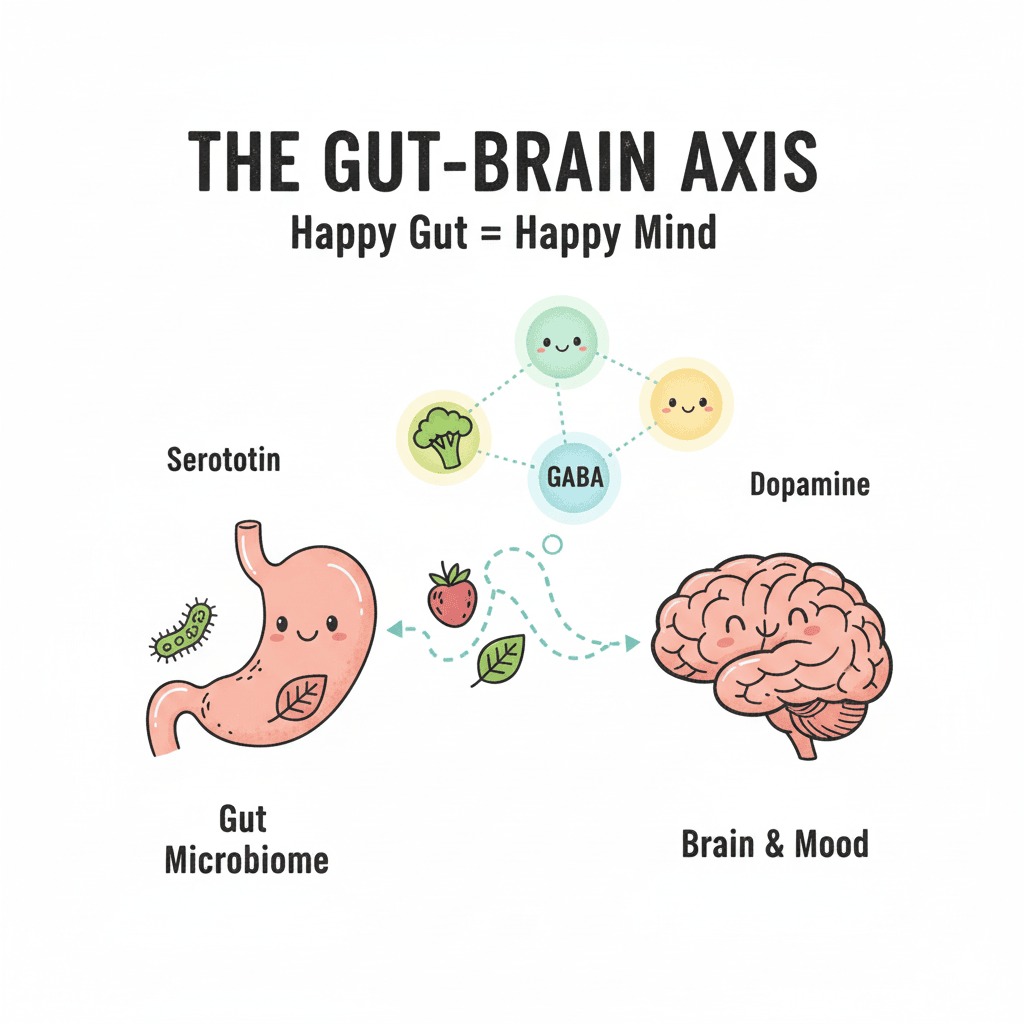
They help regulate neurotransmitters like serotonin (often made in the gut!) and dopamine. They combat oxidative stress and inflammation, which are heightened when we’re chronically anxious. And they provide key building blocks—like magnesium, B vitamins, omega-3 fatty acids, and antioxidants—that our nervous system desperately needs to function smoothly. Choosing these foods is like providing your inner infrastructure with high-quality building materials instead of cheap, shaky ones.
Your Pantry Heroes: Top Categories of Calming Foods
Let’s move from theory to your kitchen. Building a diet around foods that reduce stress & anxiety means focusing on a few superstar categories. I started by simply adding, not subtracting. I’d throw a handful of spinach into my morning smoothie or swap my afternoon vending machine snack for a small handful of almonds. The shift was subtle but profound.
Fatty Fish for Omega-3 Power
Salmon, mackerel, and sardines are rich in EPA and DHA, omega-3 fatty acids that are potent anti-inflammatories. Chronic inflammation can disrupt brain function and fuel anxiety. A landmark study published in JAMA Network Open found that omega-3 supplementation significantly reduced anxiety symptoms. Think of these fats as lubricating the gears of your brain for smoother operation.
Complex Carbohydrates & Leafy Greens
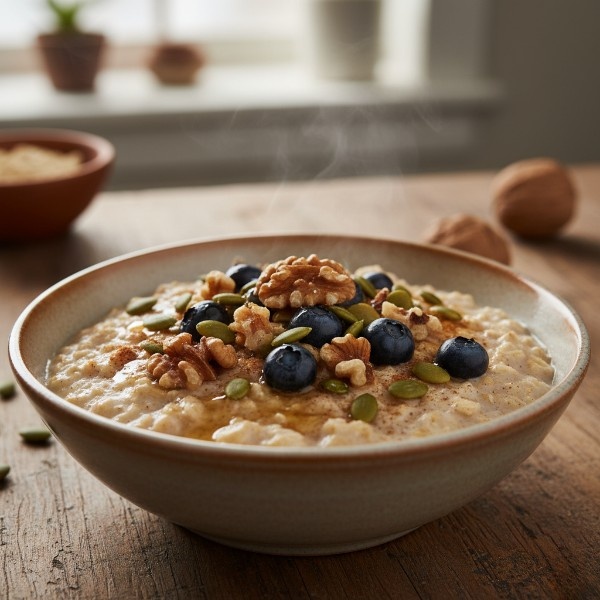
Oats, quinoa, sweet potatoes, and spinach are brimming with magnesium and B vitamins. Magnesium is nature’s chill pill; it helps regulate cortisol and supports GABA, a calming neurotransmitter. Many of us are deficient without even knowing it. A bowl of oatmeal isn’t just breakfast; it’s a steadying start to your day.
YouTube Video: Best Guide on Foods That Reduce Stress & Anxiety
Watch this helpful video:
This video from a registered dietitian beautifully visualizes the gut-brain connection and offers quick, easy recipe ideas that put these principles into practice.
Practical Tips: Making Calming Choices Effortless
Knowing what to eat is one thing; making it easy is another. Here’s how I integrated these foods that reduce stress & anxiety into my routine without feeling overwhelmed.
- The “Add-One” Rule: Each meal, add one calming ingredient. Scrambled eggs? Add spinach. Lunch salad? Add chickpeas and pumpkin seeds. Yogurt? Add berries and a sprinkle of ground flaxseed.
- Prep Your Peaceful Snacks: Wash and cut celery, bell peppers, and carrots. Portion out single servings of nuts and dark chocolate (70%+ cacao). When stress hits, the healthy choice is the easy choice.
- Steep Instead of Spike: Replace a second coffee with a cup of chamomile or green tea. The ritual is calming, and green tea contains L-theanine, an amino acid that promotes relaxation without drowsiness.
Foods to Befriend for a Resilient Mind
Beyond categories, let’s get specific. Some of the most powerful foods that reduce stress & anxiety might already be in your kitchen.
- Dark Chocolate (70%+ Cacao): It’s not an indulgence; it’s medicine in a wrapper. It contains flavonoids that reduce inflammation and may improve mood. A square or two can be a perfect mindful treat.
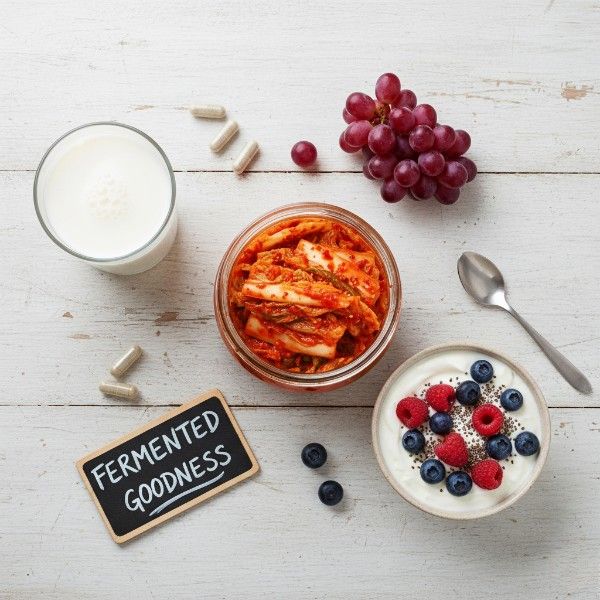
- Fermented Foods: Kimchi, kefir, and yogurt with live cultures build a healthy gut microbiome. A robust gut flora is directly linked to lower stress responses and improved mood, as research in Nature journal has explored.
- Turmeric: The active compound curcumin crosses the blood-brain barrier and has demonstrated potent anti-anxiety effects in studies. Try it in golden milk lattes or curries.
Building Your Anti-Stress Plate: A Simple Framework
What does a meal actually look like? I used to overcomplicate it. Now, I just visualize my plate. Imagine it divided: half filled with colorful vegetables (for antioxidants and fiber), a quarter with a quality protein like salmon or lentils (for steady energy), and a quarter with a complex carb like quinoa or sweet potato (for sustained fuel and magnesium). Drizzle with olive oil (healthy fats). This combination ensures a slow release of energy, avoiding the blood sugar spikes and crashes that mimic and worsen anxiety symptoms.
A Quick-Reference List of Staples
Keep this list on your fridge. These are foundational foods that reduce stress & anxiety to have on hand:
- Leafy Greens: Spinach, kale, Swiss chard (for magnesium & folate)
- Berries: Blueberries, strawberries (for antioxidants & vitamin C)
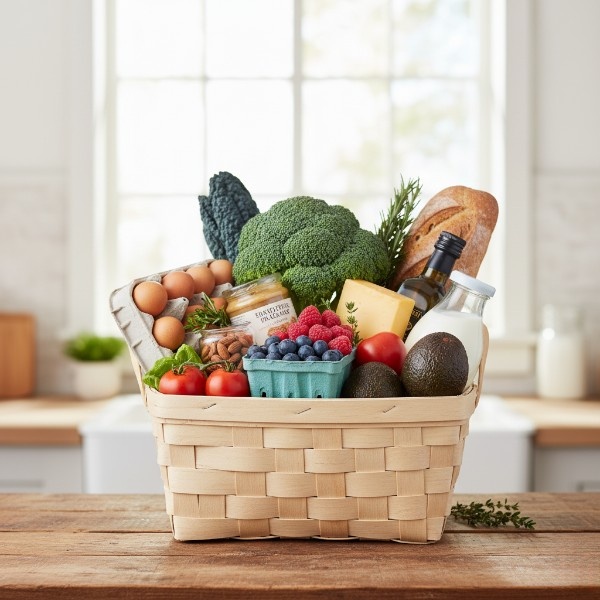
- Nuts & Seeds: Walnuts, almonds, pumpkin seeds, chia seeds (for omega-3s, magnesium, zinc)
- Legumes: Chickpeas, lentils (for fiber, protein, & B vitamins)
- Avocado: (for healthy fats & B vitamins)
Beyond the Bite: The Ritual of Nourishment
This is what I honestly wish I had learned earlier: the food itself is only half the story. The act of preparing a simple, wholesome meal—chopping vegetables, smelling the herbs—is a form of mindfulness. Sitting down to eat without screens, chewing slowly, and tasting genuinely signals safety to your nervous system. It tells your body, “We are not in emergency mode. We have time to nourish.” This ritual transforms eating from a task into a grounding practice, amplifying the effects of the foods that reduce stress & anxiety on your plate.
Your Journey to Calm Starts Here
Incorporating these foods that reduce stress & anxiety is a profound act of self-care. It’s not about achieving a perfect diet but about making more frequent, supportive choices that collectively build a more resilient you. It’s a slow, steady drip of support for your mental well-being.
What’s one food from this list you feel excited to incorporate more of this week? I’d love to hear your thoughts or your own go-to calming recipes in the comments below.
Reflective Closing Thought: This approach shifted my relationship with food from one of guilt or escapism to one of partnership. My plate became a tool, and each meal a small, deliberate step toward a calmer state of being.
Soft Call to Action: If you found this guide helpful, explore our detailed guide on [Internal Link: /morning-habits-for-anxiety/] for more ways to build a peaceful day from the ground up. And remember, be gentle with yourself. Every positive choice counts.
FAQs: Foods That Reduce Stress & Anxiety
Q1: Can food really help with anxiety, or is it just a placebo effect?
A: The effect is very real and science-backed. Certain nutrients directly influence the production of neurotransmitters (like serotonin), reduce inflammation, and regulate stress hormones like cortisol. It’s a foundational support system for your nervous system.
Q2: What’s the #1 food I should start eating for stress relief?
A: While there’s no single magic bullet, fatty fish like salmon is a top contender due to its high concentration of omega-3 fatty acids (EPA and DHA), which have strong anti-inflammatory properties and are crucial for brain health. For a plant-based option, focus on walnuts and flaxseeds.
Q3: Are there any foods I should avoid because they make anxiety worse?
A: Yes. It’s best to limit or avoid foods that cause blood sugar spikes and crashes (like sugary snacks and refined carbs), excessive caffeine (which can mimic anxiety symptoms), and high amounts of processed foods, which can promote gut inflammation.
Q4: How long does it take to notice a difference after changing my diet?
A: It’s not an instant fix like medication. Most people begin to notice subtle improvements in their mood stability and energy levels within 2-3 weeks of consistently incorporating these foods. Long-term, sustainable change yields the best results.
Q5: I’m too stressed to cook elaborate meals. Any quick options?
A: Absolutely. Stress-relieving eating can be simple: a banana with almond butter, a handful of berries and nuts, pre-made Greek yogurt, or canned sardines on whole-grain crackers. The key is having these healthier options readily available.
Q6: Should I take supplements instead of focusing on food?
A: Food should always come first, as it provides a complex matrix of nutrients that work together. Supplements (like omega-3s or magnesium) can be helpful for filling gaps, but it’s best to consult with a healthcare professional before starting any new regimen. Think of supplements as a backup, not a replacement.