
Introduction
Foods that boost immunity naturally are your most accessible and powerful daily medicine. I remember a winter where it felt like my family was playing a never-ending game of “pass the sniffles”—just as one person got better, another fell ill. Exhausted and frustrated, I looked at our grocery cart filled with processed “convenience” foods and had a moment of clarity. What if the solution wasn’t just in the pharmacy aisle, but in the produce section? That simple shift in perspective, from seeking a quick fix to building resilience bite by bite, changed everything for us.
It’s not about a magical berry, but the consistent, nourishing synergy of real food. So, let’s explore how to transform your plate into a foundation of strength, focusing on the very best foods that boost immunity naturally.
The Foundation: How Your Diet Becomes Your Defense System
Think of your immune system not as a shield, but as a highly trained, complex army. It needs constant, high-quality intelligence (like vitamins) and reliable fuel (like minerals and antioxidants) to operate at its best. Every meal is either feeding the army or depleting it. I noticed this with my own energy levels; on weeks I prioritized colorful vegetables and lean proteins, I wasn’t just less likely to catch the office cold, I also felt more alert and steady.
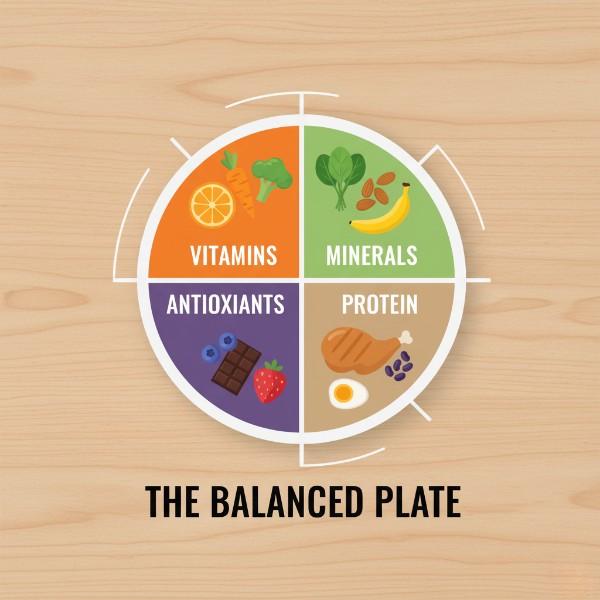
The goal isn’t to eat one “superfood” but to create a dietary pattern rich in the specific nutrients that your immune cells crave. This consistent practice of choosing foods that boost immunity naturally builds a robust defense over time, making you less susceptible to every bug that goes around.
Vitamin C Champions: Beyond Just Oranges
When we think of immune health, vitamin C is often the first thing that comes to mind—and for good reason. It’s a potent antioxidant that helps protect cells and is crucial for the function of various immune cells. But here’s where many of us get stuck: the orange juice trap. While citrus is great, the world of vitamin C is vast and colorful. I used to buy bags of oranges until a farmer at the market pointed me toward red bell peppers. He stated, “These have more than twice the vitamin C of an orange for every gram.”
It was a game-changer. Incorporating a wider variety of foods that boost immunity naturally through vitamin C not only broadens your nutrient intake but also makes your meals more exciting.
How to Incorporate More Vitamin C Daily
- Start with a Sprinkle: Add chopped parsley or chili peppers to soups, eggs, and salads.
- Snack Smarter: Swap processed snacks for strawberries, kiwi slices, or raw bell pepper strips with hummus.
Cook Lightly: Vitamin C degrades with heat. Enjoy these foods raw or lightly steamed (like broccoli) to maximize their potency.
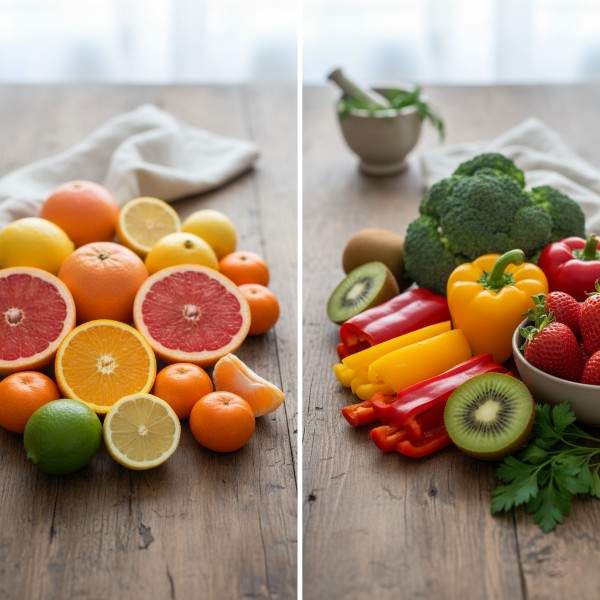
Choosing these foods that boost immunity naturally in their fresh state ensures you get the full benefit.
YouTube Video: Best Guide on Foods That Boost Immunity Naturally
This visual guide perfectly complements what you’re reading, offering a chef’s perspective on how to easily prepare and combine these powerful ingredients into delicious meals.
The Power of Zinc: Your Immune System’s Regulator
If vitamin C is the front-line defender, think of zinc as the seasoned general in the command center. It is necessary for immune cells to grow and function. A mild zinc deficiency can significantly hamper your immune response. I learned this the hard way during a particularly stressful period at work; despite eating well, I felt constantly on the brink of illness. A nutritionist friend asked about my zinc sources, and I realized they were sporadic at best.
Adding consistent sources of this mineral made a noticeable difference in how quickly I bounced back from fatigue. It’s a subtle but critical player, and finding foods that boost immunity naturally that are rich in zinc is easier than you think.
Plant-Based vs. Animal-Based Zinc Sources
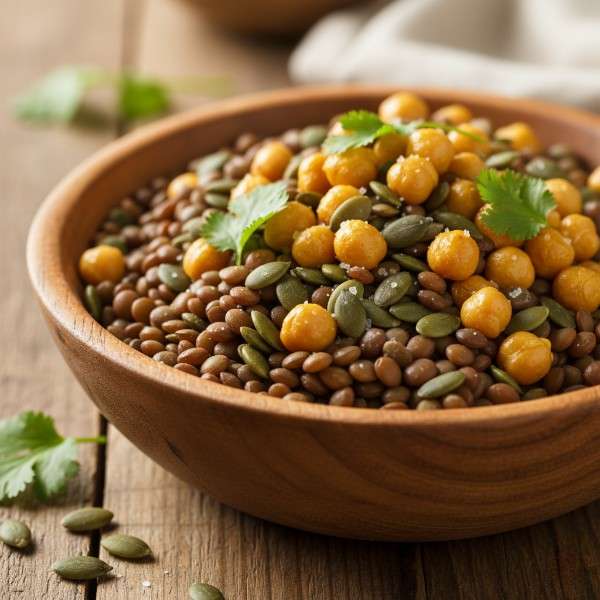
- Animal-Based (Highly Bioavailable): Oysters are the champion, but pumpkin seeds, lean beef, lentils, and chickpeas are also excellent, practical choices.
- Plant-Based: While legumes, nuts, and seeds contain zinc, they also have phytates that can reduce absorption. Soaking, sprouting, or fermenting these plant foods that boost immunity naturally can help increase the zinc your body can actually use.
Gut Health is Immune Health: The Probiotic Connection
This is the connection I honestly wish I had learned earlier. In your gut, nearly 70% of your immune system is housed in the microbiome, a complex ecosystem. Feeding this ecosystem with beneficial bacteria (probiotics) and their preferred food (prebiotics) is one of the most strategic things you can do. When I started focusing on gut-friendly foods that boost immunity naturally, the improvement in my digestion was just the start; I experienced fewer seasonal allergies and more stable energy. It’s a profound reminder that health truly begins from within—literally.
Building a Gut-Healthy Plate
- Include Fermented Foods: Aim for a daily serving of yogurt with live cultures, kefir, sauerkraut, kimchi, or kombucha.
- Don’t Forget Prebiotics: These are fibrous foods that boost immunity naturally that feed good bacteria. Eat a lot of oats, garlic, onions, leeks, asparagus, and bananas.
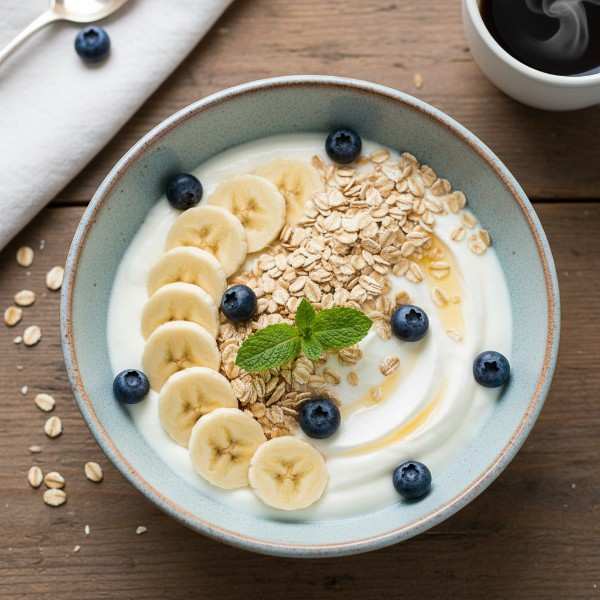
3. Diversity is Key: Just like a diverse ecosystem is more resilient, eating a wide variety of plants (aim for 30 different types a week) supports a diverse and robust microbiome.
The Antioxidant Army: Fighting Cellular Stress
Antioxidants are the special forces that neutralize free radicals—unstable molecules that cause oxidative stress and can weaken immune function. This stress comes from normal metabolism but is increased by pollution, UV exposure, and processed foods. I view antioxidants as the maintenance crew for my cellular “army.” By including deeply colored foods that boost immunity naturally, you’re providing this essential support. Think of it as eating the rainbow not just for a pretty plate, but for a profound internal purpose.
List of Top Antioxidant-Rich, Immune-Supporting Foods:
- Berries (blueberries, strawberries): Packed with anthocyanins. A handful of frozen berries in my morning smoothie became a non-negotiable habit for me.
- Dark Leafy Greens (spinach, kale): Rich in vitamins C, E, and countless phytochemicals.
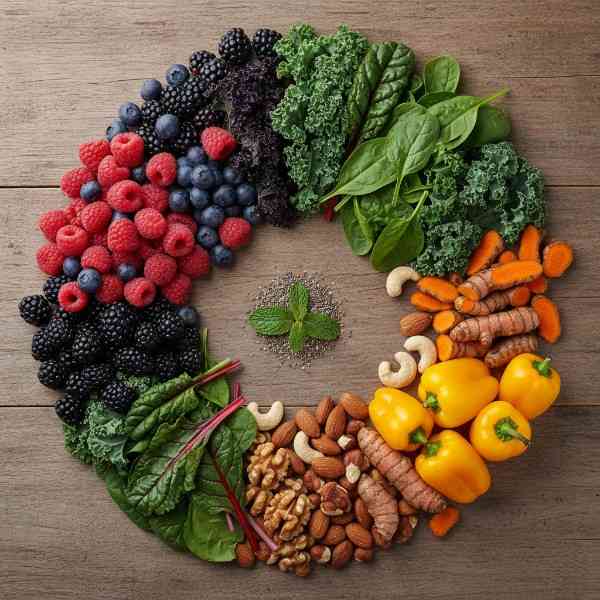
- Nuts and Seeds (especially almonds and sunflower seeds): Excellent sources of vitamin E, a key fat-soluble antioxidant.
- Turmeric and Ginger: These potent spices contain curcumin and gingerol, compounds with strong anti-inflammatory properties. Incorporating these powerful foods that boost immunity naturally into curries, teas, and dressings adds layers of protection.
Protein: The Building Blocks of Immune Cells
Antibodies, cytokines, immune cell receptors—they are all made of protein. Without adequate protein, your body simply cannot manufacture these critical defense tools efficiently. It’s the literal building material of your immune response. During a bout of illness, your protein needs can actually increase. Ensuring you have a steady supply from high-quality foods that boost immunity naturally is foundational. I make sure each meal has a clear protein source, which has helped me maintain muscle mass and a much steadier immune guard as I’ve gotten older.
According to experts at the Harvard T.H. Chan School of Public Health, diversifying your protein sources to include plants is beneficial for long-term health.
What to Limit: Foods That Can Disarm Your Defenses
Just as important as what you add is what you might consider limiting. Heavily processed foods, excess sugar, and large amounts of alcohol can promote inflammation and disrupt the delicate balance of your gut microbiome, effectively disarming your internal army. This isn’t about perfection—I still enjoy my favorite treats—but about awareness. Notice how you feel after a day of eating poorly versus a day filled with whole, nutrient-dense foods that boost immunity naturally. That feedback loop is powerful motivation.
For a deeper dive into how sugar impacts your body, check our detailed article on breaking the sugar cycle without feeling deprived.
Putting It All Together: A Day on an Immune-Boosting Plate
Let’s make this practical. Here’s what a day focused on foods that boost immunity naturally could look like, based on what works for my family:
- Breakfast: A spinach and berry smoothie with Greek yogurt (vitamins C & E, probiotics, protein).
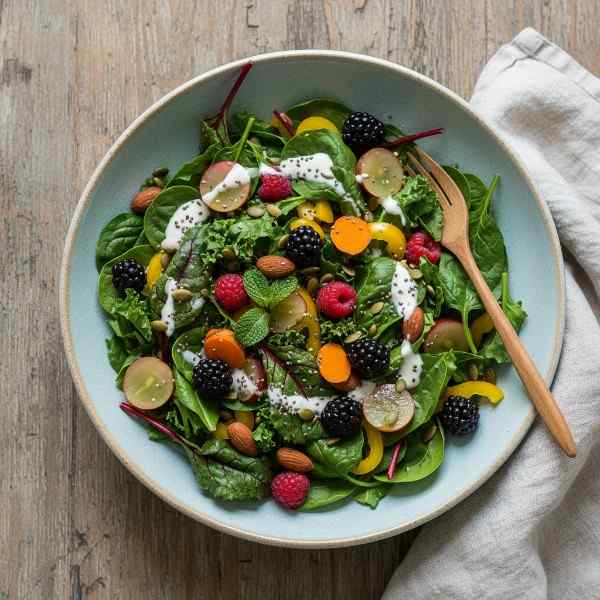
- Lunch: A large salad with mixed greens, chickpeas, red bell pepper, pumpkin seeds, and a lemon-turmeric dressing (zinc, vitamin C, antioxidants, protein).
- Snack: An apple with a handful of almonds (fiber, vitamin E).
- Dinner: Baked salmon with a side of roasted broccoli and quinoa (omega-3s, vitamin C, zinc, protein).
- Beverage: Green tea or plenty of water throughout the day.
Conclusion
Building lasting resilience through foods that boost immunity naturally is a journey of consistent, loving choices, not a single drastic change. It’s about viewing your kitchen as your primary wellness center and each meal as an opportunity to nourish your body’s innate wisdom. By embracing this wide variety of vitamins, minerals, and antioxidants, you’re not just fighting off the next cold—you’re investing in a foundation of vibrant energy and long-term health.
What’s the first immune-boosting food you feel inspired to add to your cart this week? Share your thoughts in the comments below! And if you found this guide helpful, consider saving it or sharing it with someone who’s looking to take a natural, food-first approach to their wellbeing.
FAQs: Foods That Boost Immunity Naturally
Q1: How quickly do foods that boost immunity naturally start working?
A: Consistency is key. While some nutrients, like zinc, can support immune cell function relatively quickly, building a resilient system is a long-term endeavor. Regularly including a wide variety of foods that boost immunity naturally in your diet creates a sustained, supportive environment for your immune cells to thrive.
Q2: Can I just eat citrus fruits to boost my immunity?
A: Citrus is excellent for vitamin C, but immunity relies on a complex team of nutrients. Relying on just one food group leaves gaps. For a robust defense, diversify your plate to include many different foods that boost immunity naturally, such as those rich in zinc, antioxidants, and probiotics, for a full-spectrum approach.
Q3: Are “immune-boosting” supplements better than whole foods?
A: Whole foods offer a synergistic blend of vitamins, minerals, fiber, and phytochemicals that supplements can’t fully replicate. While supplements can help address specific deficiencies under a doctor’s guidance, the foundation of your immune health should always be a diet centered on whole, nutrient-dense foods that boost immunity naturally.
Q4: Do I need to eat special “superfoods” to see a difference?
A: Not at all! While foods like berries and turmeric are powerful, everyday staples like spinach, almonds, yogurt, and bell peppers are incredibly effective. The most powerful strategy is consistently eating a balanced, colorful diet filled with various foods that boost immunity naturally that you enjoy and can sustain long-term.