
Healthy Diet Plan for Weight Loss is not about starving yourself or jumping on the latest juice cleanse trend. Can you remember a time you started a restrictive diet, felt miserable for a week, and then watched it all fall apart? I certainly can. I used to think success meant surviving on grapefruit and lettuce, only to end up feeling defeated and, ironically, further from my health goals. The real secret isn’t found in deprivation, but in building a nourishing, sustainable system.
The core of any effective healthy diet plan for weight loss is creating a sustainable calorie deficit while flooding your body with the nutrients it craves to thrive. This guide is designed to help you build that system—one practical, compassionate step at a time.
Ditching the Diet Mentality for Lasting Change
I once spent an entire January following a notoriously strict plan. I lost weight, sure, but I was constantly irritable, obsessed with food, and terrified of social gatherings. The moment I “finished” the diet, the weight returned, plus a little extra. That experience taught me that fear and restriction are terrible long-term strategies.
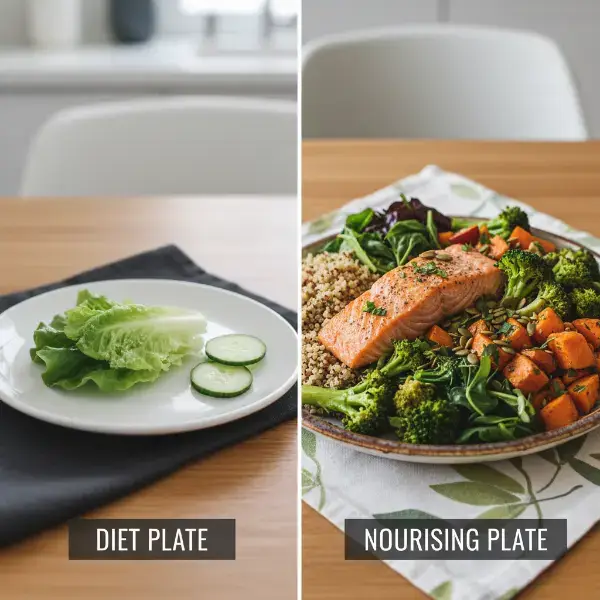
A true healthy diet plan for weight loss should feel like adding goodness to your life, not taking joy away. It’s about shifting from “What can’t I eat?” to “What awesome foods will fuel my best self today?” This mindset shift is your most powerful tool.
The Pillars of a Truly Nourishing Healthy Diet Plan
Think of your body as a high-performance engine. You wouldn’t put low-grade fuel in a sports car and expect it to run smoothly. Your healthy diet plan for weight loss is about choosing premium fuel. Let’s break down the non-negotiable pillars.
Building Your Plate for Success (The Practical How-To)
Every meal is an opportunity to nourish yourself. Instead of counting every single calorie, focus on building a balanced plate. Here’s a simple visual framework I’ve used with clients for years:
- Fill 50% with Non-Starchy Vegetables: Spinach, broccoli, peppers, zucchini. These are low in calories but high in volume and fiber, keeping you full.
- Dedicate 25% to Lean Protein: Chicken breast, fish, tofu, lentils, tempeh. Protein is essential for preserving muscle mass during weight loss and boosting satiety.
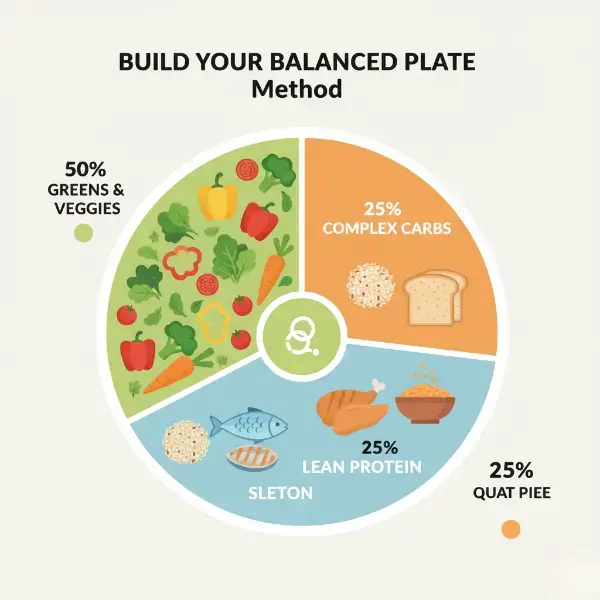
3. Reserve 25% for Complex Carbohydrates or Healthy Fats: Choose either a serving of quinoa, sweet potato, or brown rice, OR a generous serving of healthy fats like avocado, olives, or a sprinkle of nuts.
This method naturally creates balance and controls portions without a scale.
The Hunger & Habit Hack: Listening to Your Body
We often eat for reasons other than physical hunger: boredom, stress, or just because it’s “time.” A crucial part of your healthy diet plan for weight loss is re-learning your body’s signals. Before you eat, pause and ask, “Am I physically hungry?” Rate your hunger on a scale of 1-10. Try to eat when you’re at a 3 or 4 (comfortably hungry) and stop when you’re at a 6 or 7 (comfortably full). This simple practice builds mindfulness and prevents mindless overeating.
Watch this helpful video for a great visual guide on building habits and mindful eating:
Best Guide on Healthy Diet Plan for Weight Loss
This video breaks down the psychology of eating habits in a way that’s easy to understand and apply immediately.
Crafting Your 7-Day Healthy Diet Blueprint
A plan is just a dream without a deadline—or in this case, a menu. Let’s create a flexible, delicious blueprint. This isn’t about rigidity; it’s about having a go-to framework so you’re not making stressed decisions when hungry.
A Sample Day in Your Sustainable Healthy Diet Plan:
- Breakfast: Greek yogurt with berries and a tablespoon of chia seeds.
- Lunch: Large salad with mixed greens, grilled chicken, chickpeas, cherry tomatoes, and a lemon-tahini dressing.
- Snack: Apple slices with a small handful of almonds.
- Dinner: Baked salmon with a quinoa and roasted vegetable (asparagus, bell peppers) medley.
Notice the emphasis on whole foods, fiber, protein, and healthy fats. This combination stabilizes blood sugar and keeps energy steady.
Smart Swaps That Don’t Feel Like a Sacrifice
The best healthy diet plan for weight loss is one you can stick to, and that means enjoying your food! Small swaps lead to massive cumulative changes.
- Instead of sugary soda → Try sparkling water with a splash of 100% fruit juice or fresh muddled berries.
- Instead of white pasta → Try zucchini noodles (“zoodles”) or legume-based pasta for extra protein and fiber.
- Instead of creamy dressings → Try blended avocado, Greek yogurt, or tahini as a base for dressings and sauces.
These swaps enhance nutrition without sacrificing flavor. For more science-backed nutrition insights, according to experts at resources like Wikipedia’s page on Balanced Diet, the emphasis is on dietary patterns, not single magic foods.
Navigating Common Roadblocks with Compassion
You will face challenges. A busy week, a social event, a stressful day—it’s all part of life. The goal isn’t perfection; it’s resilience. I recall a client who’d “ruin” her diet with one donut at work, then proceed to eat poorly all day, thinking she’d start over Monday. We worked on the “next meal” rule: if you veer off plan, the very next meal is a chance to get back on track. No drama, no guilt, just the next positive choice. This is what makes a healthy diet plan for weight loss sustainable.

Your Toolkit for Staying on Track
What practical tools do you need? Let’s build a simple toolkit:
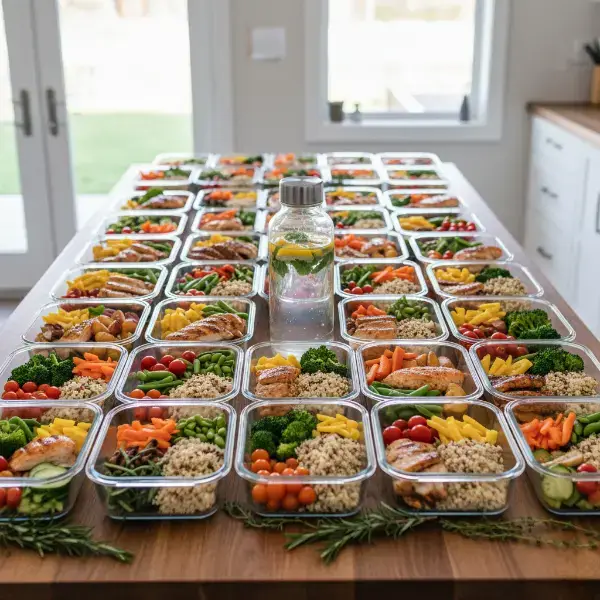
- A reusable water bottle you love.
- Containers for meal prep (check our detailed guide on [Easy Kitchen Tools for Healthy Cooking] for recommendations).
- A few reliable, simple recipes you enjoy.
- A non-scale victory tracker (energy levels, sleep quality, how your clothes fit).
This list isn’t about buying expensive things; it’s about setting up your environment for success. A recent study suggests that environmental cues heavily influence eating behavior, which is why having healthy foods visible and ready is so powerful.
The Heart of the Matter: Why This Time Is Different
I honestly wish I had learned earlier that loving your body isn’t about changing it to be worthy of care, but about caring for it because it’s inherently worthy. This healthy diet plan for weight loss is an act of that care. It’s not a punishment. It’s the daily practice of choosing foods that make you feel energized, clear-headed, and strong. What’s one small, loving choice you can make for your health today?

Conclusion: Your Journey to a Healthier You Begins Now
Building your perfect healthy diet plan for weight loss is a personal journey of discovery. It’s about experimenting, learning what makes your body feel fantastic, and building habits that last a lifetime, not just a season. Remember, progress over perfection is the mantra. What was the most surprising thing you learned about sustainable eating from this guide? Share your thoughts or your favorite healthy swap in the comments below!
Start small, be kind to yourself, and take that first step today. Your future, healthier self will thank you for the compassion and consistency you show now.
if you’re ready to dive in, our latest guide walks you through a full, step-by-step healthy diet plan for weight loss—covering mindful eating, plate methods, and practical habits you can start using today
FAQs: Your Healthy Diet Plan for Weight Loss Questions, Answered
Q1: How fast can I expect to lose weight on a healthy diet plan?
A: With a sustainable healthy diet plan for weight loss, a safe and realistic goal is 1-2 pounds per week. This pace helps preserve muscle mass and is more likely to lead to long-term maintenance, unlike rapid loss from extreme diets.
Q2: Do I have to give up carbs completely to lose weight?
A: Absolutely not! The goal is to choose the right carbs. Eliminating whole food groups is unsustainable. Focus on fiber-rich, complex carbohydrates like quinoa, oats, and sweet potatoes, which provide lasting energy and are part of a balanced healthy diet plan for weight loss.
Q3: I don’t have time to meal prep. What can I do?
A: Start with “mini-prep.” Instead of cooking all meals for the week, batch-cook one staple (like a grain or protein), wash and chop veggies for easy snacking, or use healthy convenience items like pre-cooked lentils or frozen vegetables to assemble meals quickly.
Q4: What’s the biggest mistake people make when starting?
A: Trying to change everything at once. This leads to burnout. The most effective strategy is to implement one or two small changes consistently—like drinking more water or adding a vegetable to every meal—before adding another. Consistency beats intensity every time.
Q5: How do I handle cravings?
A: First, ensure you’re eating balanced meals with enough protein and fiber. If a craving persists, honor it mindfully. Have a small portion of what you’re craving, savor it without distraction, and move on. Deprivation often backfires, leading to overeating later.
Pingback: Improve Your Health in 2026: 5 Effortless, Science-Backed Steps