
The other day, I was digging through an old junk drawer and came across my very first fitness tracker. You’d probably recognize it—a chunky rubber band with a tiny screen that did nothing except count steps. Holding it felt like picking up something from another lifetime. It’s wild to compare that clumsy little device to the smooth, modern wearable technology I use now. Moments like that really make you pause and appreciate how far wearable tech has evolved. What started as basic, single-use gadgets has turned into something we slip on without even thinking about it.
And that’s the real transformation. It’s the quiet shift toward devices that blend into our lives instead of demanding attention. As we dig further into this topic, you’ll see what I mean. This isn’t just a tale of shrinking hardware—it’s about technology slowly becoming an effortless extension of the human experience.
The Humble Beginnings: A Clunky Start
Let’s be real, the early days of Wearable Technology were… not cool. The design philosophy seemed to be “shrink a computer and strap it to a body part.” And it showed.
Before the Wrist: The Calculator Watch Era
Think back to the days of the calculator watch. At the time, it felt like a tiny miracle strapped to your wrist, but let’s be honest—you weren’t exactly channeling a secret agent. You were just a kid in math class, pretending to look cool while pressing tiny buttons under the desk. As early wearable technology, it was charming but painfully limited. The features were basic, the battery life barely held up, and anything close to “seamless integration” simply didn’t exist. It was more of a fun gimmick than a truly useful companion.
The Fitness Tracker Boom: Counting Steps to Glory
Then came the first wave of modern wearables. For me, and probably for you, it was that first fitness band. We all became obsessed with hitting 10,000 steps. I’d find myself pacing around my living room at 11:55 PM, determined to close that ring. It was motivating, sure, but the device itself was still very much a device. It was a separate thing on your wrist, constantly reminding you of its presence. You had to sync it, charge it, and explain to your grandma what it was.
It was a start, though. A proof of concept that we were willing to invite data about our own bodies onto our skin. Crazy, right? We just didn’t know how much further it would go.
The Design Revolution: Blending In, Not Sticking Out
The real turning point wasn’t just about adding more sensors. It was about a shift in mindset. Tech companies finally realized that for people to wear something all the time, it couldn’t look like, well, tech all the time.
Form Meets Function: From Geek to Chic
And then I realized something had changed. I was at a nice dinner and saw someone check the time on their smartwatch. A few years ago, that would have been a bulky, plastic eyesore. This time, it was a beautiful piece of hardware with a classic watch face. It didn’t scream “GADGET”; it whispered “accessory.”
This was the design revolution. The move towards customizable bands, premium materials like titanium and sapphire glass, and always-on displays that mimic analog watch faces. The goal was clear: Create Wearable Technology that people are proud to wear, not just tolerate. It’s no longer about the tech first; it’s about the human and their style.
The Invisible Goal: What Seamless Integration Really Feels Like
But true seamless integration goes deeper than aesthetics. It’s about the experience. It’s when the technology fades into the background of your life.
Think about it. When your hearables (a way better term than “wireless earbuds,” honestly) seamlessly switch from your phone to your laptop during a call, that’s integration.
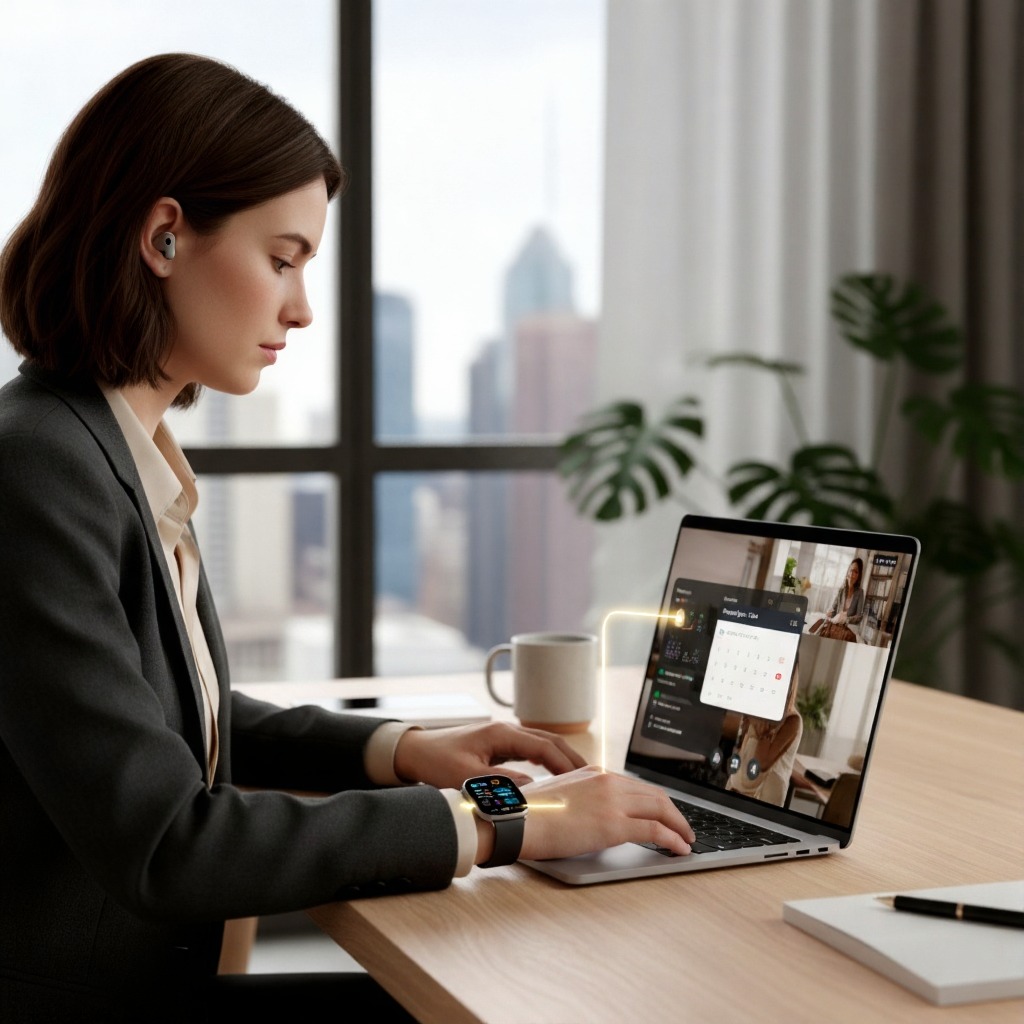
When your smart ring automatically detects you’ve fallen asleep and starts tracking your sleep stages without you pressing a single button, that’s integration. It’s the feeling of the device not as a tool you have to use, but as an extension of your own capabilities that just… works.
The Present & The Pending: What We Wear Now
So where are we now? Honestly, it’s a fascinating mix of refined classics and bold new experiments.
More Than Metrics: The Rise of Holistic Health Monitoring
It’s amazing how far wearable technology has come. What started out as simple step counters has turned into devices that keep an eye on our overall health. Many of them now offer features like ECG readings to spot unusual heart rhythms, blood oxygen tracking, and temperature changes that can clue you in on everything from stress to early signs of sickness. The jump in capability is huge.
I actually had a moment when my own watch warned me that my resting heart rate was higher than usual. I wasn’t feeling anything out of the ordinary, but the alert made me slow down and check in with myself. After thinking about it, I realized how much pressure I was under because of a tight work deadline. That tiny notification helped me understand what my body was trying to communicate. And that’s the real value of these devices—they’re not just helping us stay healthy longer, they’re helping us understand ourselves better in the present.
Smart Glasses & Hearables: Tech for Your Senses
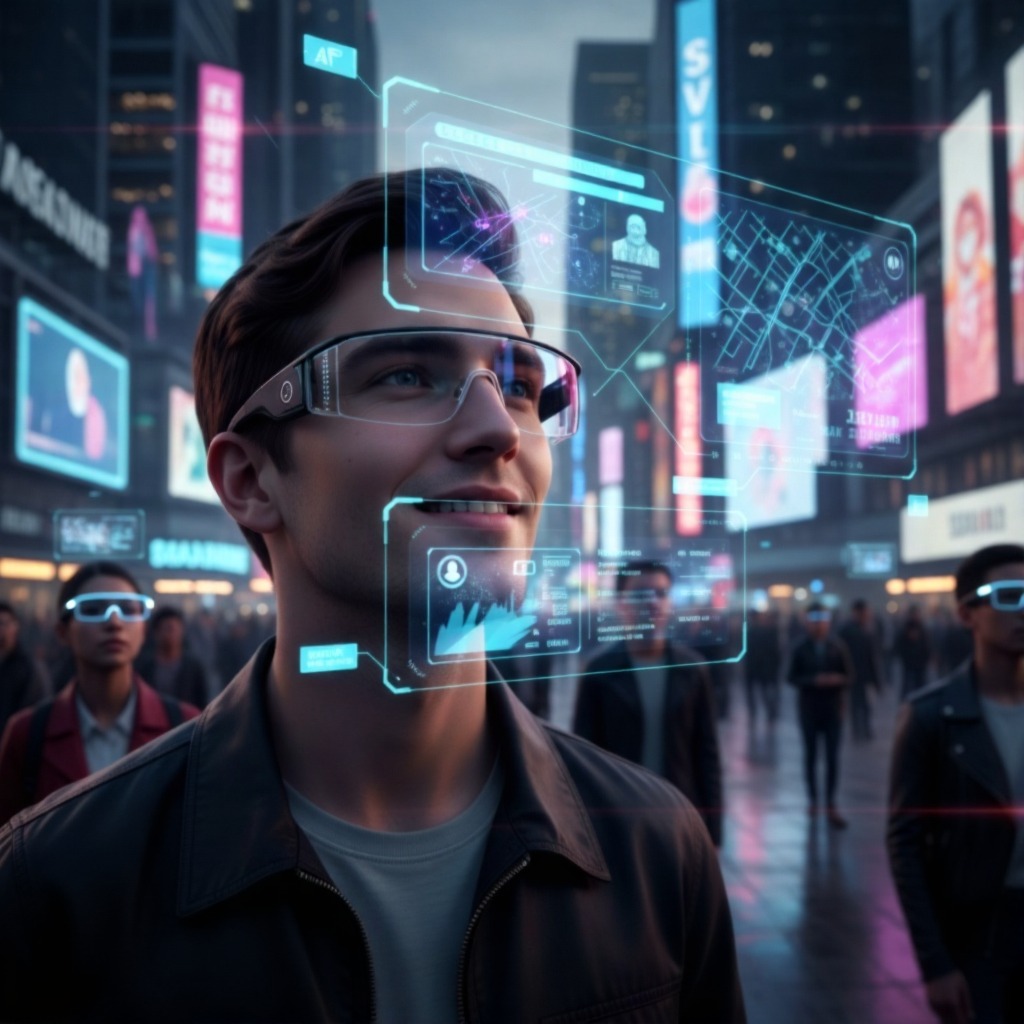
And it’s not just the wrist. Smart glasses are having another moment, this time with displays that overlay information onto the real world—that’s augmented reality (AR) for you. And hearables? They’re not just for music anymore. With real-time translation and advanced noise cancellation, they’re becoming intelligent assistants for your ears.
It feels like we’re distributing technology across our bodies, each device specializing in a different sense or function. A pretty wild thought.
The Future Impact: Weaving Tech into the Fabric of Life
Okay, fasten your seatbelts, because the future of Wearable Technology is where it gets truly mind-bending. The future impact is poised to be nothing short of revolutionary.
The Doctor on Your Wrist: Proactive Healthcare
Imagine a world where your wearable can detect biomarkers for diseases like diabetes or cancer years before symptoms appear. We’re talking about non-invasive blood glucose monitoring and continuous blood pressure tracking. The future impact here is a shift from reactive healthcare to proactive wellness. Your doctor could get an alert about a potential issue before you even feel unwell. It could save millions of lives.
Augmented Reality (AR) and Your New Reality
While today’s smart glasses are cool, tomorrow’s will be transformative. Imagine walking through a city and seeing navigation arrows painted onto the sidewalk, or having the name and history of a building pop up as you look at it. Mechanics could see schematics overlaid on the engine they’re repairing.
This isn’t just a fancy Google Maps upgrade. It’s about layering a rich, digital information skin over our physical world. The potential for education, work, and social connection is staggering.
The Ethical Tightrope: Convenience vs. Privacy
But let’s pause for a second. This is where we have to have a real talk. All this data—our heart rate, our location, our sleep patterns, our very health—is incredibly sensitive. Who owns it? How is it being used? Is my insurance company going to raise my rates because my wearable says I had a bad night’s sleep?
The path to seamless integration is paved with data, and we must walk the ethical tightrope carefully. The convenience is amazing, but we cannot be naive about the privacy trade-offs. It’s a conversation we all need to be part of.
Conclusion: Not Just Wearing, But Living With
So, from my junk-drawer fossil to the sophisticated health and life companions of today, the evolution of Wearable Technology has been a relentless march towards invisibility and intimacy. It’s a journey from something we carry to something we incorporate.
The future impact is vast—it will reshape our health, redefine our reality, and challenge our notions of privacy. But at its core, it’s not really about the technology at all. It’s about us. It’s about enhancing the human experience in a way that feels natural, helpful, and, eventually, perfectly ordinary.
What do you think? Are you excited for this integrated future, or does it give you pause? I’d love to hear your thoughts in the comments below.
Further Reading:
- The Ethics of Data: Who Really Owns Your Health Information?
- How Augmented Reality is Changing Manufacturing – Forbes
FAQs: The Evolution & Future of Wearable Technology
- Q1: What was the first real piece of Wearable Technology?
That’s a great question with a few answers! While you could point to the abacus ring from the 1600s, in modern terms, the calculator watch of the 1980s is often seen as the first mainstream, portable digital device worn on the body. It was a clear, if clunky, precursor to today’s smartwatches, proving the concept of strapping computing power to your wrist.
- Q2: What does “seamless integration” actually mean in wearables?
It’s more than just a sleek design. Seamless integration means the technology fades into the background of your life. It’s when you don’t have to think about it. Your device automatically tracks your sleep, your earbuds switch devices without a hiccup, and health insights are delivered quietly in the background. The goal is for the tech to feel like a natural extension of you, not a separate gadget you’re constantly managing.
- Q3: How accurate is health monitoring on smartwatches and rings?
This is crucial. For health monitoring, most consumer wearables are excellent at tracking trends(like your resting heart rate over time, sleep patterns, or activity levels) and are generally considered accurate for wellness purposes. However, for specific medical diagnostics (like an ECG for Afib or blood oxygen levels), they are FDA-cleared tools for awareness, not replacements for professional medical devices or a doctor’s diagnosis. Always consult a healthcare professional about concerning data.
- Q4: What’s the next big thing after smartwatches?
Many experts point to two areas: Smart Glasses and advanced hearables. Smart glasses, powered by Augmented Reality (AR), aim to overlay useful information onto the real world you see. Advanced hearables are evolving beyond audio to become true, discreet assistants with features like real-time translation and advanced sound scaping. The future is about distributing intelligent technology across different, less obtrusive points on the body.
- Q5: What’s the biggest concern with the future of Wearable Technology?
Hands down, it’s data privacy and ethics. As wearables collect more intimate data about our bodies, location, and habits, who owns that data and how it’s used becomes a massive question. There are valid concerns about insurance, targeted advertising, surveillance, and data security. The trade-off between incredible convenience and personal privacy is the central ethical tightrope we’ll all have to navigate. - Q6: Are wearables just a fad?
Given their evolution from niche gadgets to essential health and connectivity tools for millions, they’re far from a fad. The trajectory is moving toward deeper integration, not less. As they become more useful, less visible, and more focused on proactive health, their role in our daily lives is likely to expand and solidify, shaping everything from healthcare to how we interact with the world.